The Allure of Chance
One of the primary reasons people engage in gambling is the allure of chance and unpredictability. The thrill of not knowing the outcome creates an adrenaline rush that draws individuals into casinos and gaming venues like 1win , where the act of placing a bet transforms a mundane moment into an exciting possibility, where a small stake could lead to a significant reward. This unpredictability is often heightened by the sounds and lights of a casino, creating an immersive environment that stimulates the senses and fosters enthusiasm among players.
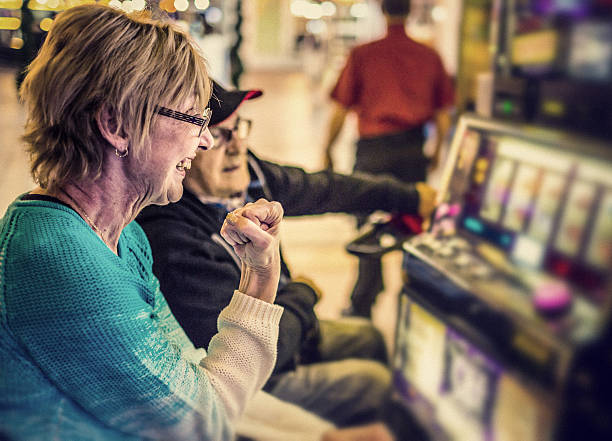
Moreover, the psychology behind gambling highlights the concept of “near misses.” When players experience moments where they come close to winning, it reinforces their desire to continue playing, often leading to a cycle of repeated attempts. This phenomenon is particularly evident in slot machines, where players may feel a sense of accomplishment despite not winning. Consequently, the combination of chance and the psychological effects of near misses keeps individuals engaged and returning for more.
The social aspect of gambling also plays a crucial role in its appeal. Many people enjoy sharing experiences with friends or family members in a lively casino environment. The camaraderie that develops during games can provide a sense of belonging, making gambling more than just a financial endeavor. Social interaction and shared excitement create a unique dynamic that enhances the overall gambling experience, turning it into a social event rather than a solitary pastime.
The Influence of Casino Environment
The design of casinos plays a significant role in the behavior of gamblers. These venues are often strategically designed to evoke feelings of excitement, anticipation, and comfort. From the moment individuals step inside, they are enveloped in a world meant to stimulate their senses. The strategic placement of gaming machines, card tables, and lounging areas encourages players to spend more time and money within the casino. Elements such as low lighting, music, and enticing scents create a sensory experience that keeps players engaged.
Furthermore, many casinos implement loyalty programs and rewards systems to incentivize continued play. These programs are designed to cater to the social dynamics of gambling by fostering community among regular players. The allure of exclusive bonuses and special events encourages individuals to return, forming a sense of loyalty to the venue. This construct not only benefits the casino financially but also enhances the social aspect of gambling, as patrons often recognize and bond with fellow players.
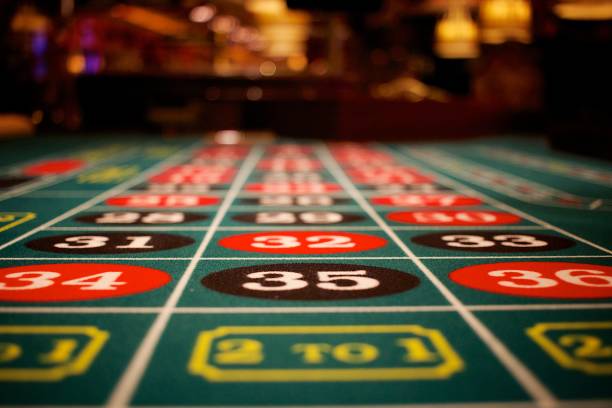
The presence of entertainment options, such as live shows, bars, and restaurants, further enriches the casino environment. These additions create a multifaceted experience, allowing individuals to enjoy various activities beyond gambling. Patrons may attend concerts or dine with friends, making the casino a popular social hub. Consequently, the combination of gaming and entertainment fosters a vibrant community, attracting diverse individuals seeking both excitement and social engagement.
The Role of Social Acceptance
Gambling is often perceived as a socially accepted activity, particularly in certain communities and cultures. This acceptance can encourage individuals to participate, as they may feel validated by the shared experiences of friends and peers. Social gatherings centered around gambling events, like poker nights or casino trips, can bolster a sense of belonging. This communal aspect reinforces the idea that gambling is not merely a solitary endeavor but a socially endorsed activity meant to be shared.
However, the social acceptance of gambling can also create pressures to participate, especially in contexts where it is heavily promoted. The portrayal of gambling in media and popular culture often glamorizes the lifestyle associated with it, leading individuals to engage in gambling behaviors without fully understanding the risks. This phenomenon can particularly affect younger individuals who are more susceptible to societal influences and peer pressure, potentially leading to problematic gambling habits.
Engaging in gambling can also serve as a means of escape for some individuals. The casino atmosphere provides a temporary reprieve from daily life, allowing players to immerse themselves in a world of excitement and distraction. This desire to escape can be rooted in various factors, such as stress or dissatisfaction in personal life, leading individuals to seek solace in gambling activities. While this may provide immediate gratification, it also raises concerns about the long-term consequences of relying on such escapism.
Addiction and Its Consequences
The social dynamics of casino culture can sometimes lead to the development of gambling addiction, a serious issue that affects individuals and their families. The thrill of winning, combined with the community and excitement of gambling environments, can create a cycle that is difficult to break. Once an individual becomes addicted, the financial and emotional toll can be substantial, leading to strained relationships and personal crises. Understanding the signs of gambling addiction is crucial for both individuals and their loved ones, as early intervention can alleviate long-term damage.
Support systems and treatment options are essential for those affected by gambling addiction. Many casinos and organizations offer resources aimed at helping individuals regain control over their gambling behaviors. These programs often focus on education, providing insight into the psychological aspects of gambling while promoting healthier habits. As awareness about gambling addiction grows, initiatives are being implemented within casino culture to foster responsible gaming practices, ensuring a more supportive environment for all patrons.
Furthermore, understanding the social dynamics at play can help reduce the stigma surrounding gambling addiction. By fostering open conversations about the risks associated with gambling, communities can create a more informed atmosphere where individuals feel comfortable seeking help. Encouraging responsible gaming practices and promoting healthy relationships with gambling can contribute to more balanced and sustainable participation in casino culture.
The Future of Casino Culture
As technology continues to evolve, so too does the landscape of casino culture. Online gambling platforms, for example, have transformed the traditional casino experience. While they offer convenience and accessibility, these platforms also present unique social dynamics that differ from physical venues. Players may find themselves missing the social interactions that come with an in-person experience, leading to discussions about the future of community in gambling.
Moreover, with the rise of social media, the way people engage with gambling is also changing. Online communities allow players to connect with others, share experiences, and even participate in virtual games together. This shift creates new opportunities for social interaction but also raises questions about the impact of virtual gambling on responsible practices. As the gambling landscape continues to shift, understanding these dynamics will be critical for both players and industry leaders.
Ultimately, the future of casino culture will be shaped by a combination of technological advancements and a deeper understanding of the social dynamics that drive gambling behavior. As casinos adapt to changing preferences and societal attitudes, they will need to strike a balance between providing an exciting gaming experience and promoting responsible gaming practices. In doing so, they will foster a healthier environment for players, ensuring that the culture continues to thrive in a positive and sustainable manner.