
Understanding the Allure of Gambling
The psychological attraction to casino gambling often begins with the thrill of risk-taking. This allure stems from an innate desire for excitement and stimulation. Players are drawn to the unpredictable nature of games, such as slot machines or card games, where winning can produce a rush of adrenaline. The potential for casino fast withdrawal uk instant rewards creates a unique environment that heightens emotional arousal, making the act of playing itself a compelling experience. This excitement can overshadow rational analysis of risks, leading players into a captivating world where every spin or card drawn feels like a gateway to fortune.
Another factor contributing to the magnetic pull of gambling is the concept of ‘near misses.’ When players almost win, their brains release dopamine, a neurotransmitter associated with pleasure. This chemical response can lead to a feeling of closeness to success, prompting players to continue gambling in hopes of achieving a win. The near-miss effect creates a psychological feedback loop that encourages persistence. Many gamblers may find themselves entangled in a cycle of chasing that elusive victory, often leading to increased time and money spent at the casino. This phenomenon highlights the emotional highs that gambling can induce, keeping players engaged despite the risks involved.
Social influences also play a significant role in the psychology of gambling. Many casinos are designed to create an inviting and communal atmosphere, encouraging social interaction among players. The presence of others can amplify excitement and provide a sense of camaraderie, making the gambling experience more enjoyable. Furthermore, societal attitudes towards gambling can shape individual perceptions, normalizing the activity and reinforcing the desire to participate in it. This communal aspect can lead to shared experiences that enhance the thrill, making it easier for individuals to justify their time and financial investments.
The Role of Cognitive Biases in Gambling
Cognitive biases are systematic patterns of deviation from norm or rationality in judgment. These biases are particularly prevalent in gambling behavior, where players may overestimate their chances of winning due to the ‘gambler’s fallacy.’ This belief leads individuals to think that past outcomes will influence future results, even in games of pure chance. For instance, a player might believe that after a series of losses, a win is ‘due,’ prompting them to increase their bets. This skewed perception can cloud judgment, leading to continued gambling despite unfavorable odds.
Another common cognitive bias in gambling is the illusion of control. Gamblers often feel they have some influence over random events, such as rolling dice or drawing cards. This belief can lead to increased participation, as players think their skills or strategies can affect the outcome. By attributing their wins to their efforts while ignoring the role of luck, gamblers can develop a false sense of confidence that keeps them engaged in the gaming experience. This illusion can be particularly dangerous, as it can encourage players to take risks that are not warranted by the actual probabilities of winning.
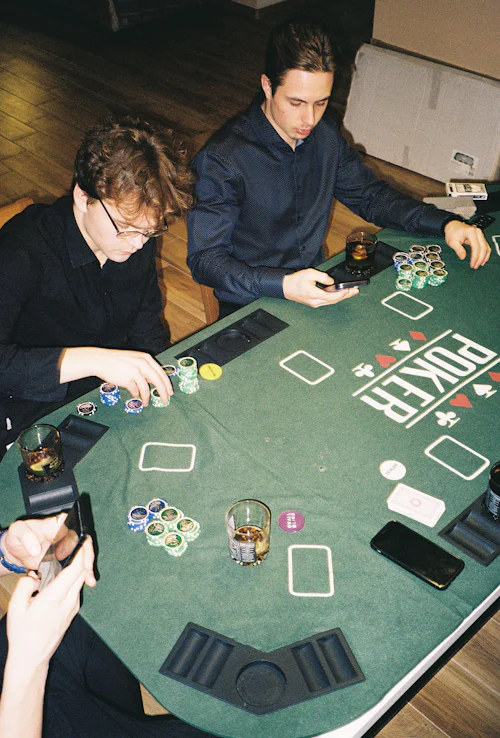
Additionally, the concept of loss aversion plays a critical role in gambling psychology. Research indicates that individuals tend to prefer avoiding losses over acquiring equivalent gains. In a casino context, this can manifest as the tendency to gamble more to recover previous losses, leading to a potentially destructive cycle. The fear of losing money can compel players to take irrational risks, as the pain of loss often outweighs the joy of winning in their mental calculus. This psychological drive can lead to escalating bets and compulsive behaviors, often resulting in troubling financial situations for the gambler.
The Impact of Addiction on Gambling Behavior
The fine line between recreational gambling and addiction is often blurred, making it crucial to understand how addiction manifests in these scenarios. Casino gambling can become an addiction when it starts to interfere with daily life and responsibilities. Gamblers may prioritize their gaming habits over family, work, or social obligations, highlighting a shift from healthy enjoyment to compulsive behavior. This addiction can lead to significant financial and emotional consequences, creating a cycle of despair and further reliance on gambling for relief. The transition from casual gambling to addiction can occur subtly, complicating the ability to recognize the problem until it has escalated.
Behavioral symptoms of gambling addiction can also include restlessness, irritability, and an increasing need to gamble larger amounts of money. These characteristics stem from a need to achieve the same high or excitement experienced during initial gambling sessions. As individuals chase larger wins, their tolerance builds, and smaller bets no longer provide the same thrill. This escalation can create a dangerous pattern of behavior that often requires professional intervention to overcome. The addictive nature of gambling can lead to a downward spiral, where the gambler finds themselves trapped in a cycle of chasing losses and escalating wagers.
Moreover, the social stigma associated with gambling addiction can result in feelings of shame and isolation for those affected. Many individuals struggle to seek help due to fear of judgment from peers or loved ones. This reluctance can exacerbate their situation, as they may continue to hide their gambling habits, leading to further entrenchment in addiction. Raising awareness and understanding of the psychological elements of gambling can help foster an environment where individuals feel safe to seek the help they need. Support systems and open conversations can significantly aid recovery efforts, reducing the stigma associated with gambling addiction.
The Influence of Environment on Gambling Behavior
The environment of a casino is meticulously crafted to encourage prolonged play and spending. Bright lights, enticing sounds, and strategically placed gaming machines create an immersive experience that can alter a player’s perception of time and money. Many gamblers find it difficult to assess how much time has passed or how much they have spent, leading to a phenomenon known as temporal dissociation. This disconnection can result in players remaining in the casino for extended periods, often leading to substantial financial expenditure. The sensory overload is designed to maintain engagement, often at the expense of rational decision-making.
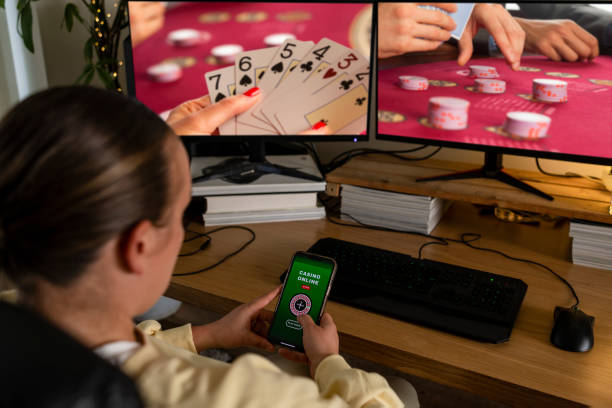
Additionally, the layout of a casino often promotes seamless movement between various gaming options, minimizing barriers to participation. The close proximity of restaurants, bars, and other entertainment options allows players to remain engaged in the casino atmosphere without needing to leave. This ease of access can blur the lines between leisure and gambling, making it challenging for individuals to recognize when they should stop playing, further compounding the risk of excessive gambling. The design of these spaces is intentional, as it fosters an environment conducive to continuous play and spending.
Marketing strategies employed by casinos also play a significant role in shaping gambling behavior. Promotions, loyalty programs, and enticing offers can create a perception of value and enhance the appeal of gambling. These strategies are designed to foster emotional connections between the player and the casino, making it feel like a second home. By positioning themselves as facilitators of fun and enjoyment, casinos cultivate an environment where individuals feel inclined to indulge, often leading to overspending and poor financial decisions. Such marketing tactics can exploit the psychological vulnerabilities of individuals, further entrenching them in gambling behaviors.
Resources for Responsible Gambling
Understanding the psychological factors behind casino gambling is essential for promoting responsible gaming practices. Various resources are available to help individuals recognize when their gambling habits may become problematic. Organizations dedicated to gambling addiction offer support, guidance, and counseling for those struggling with their gambling behaviors. These resources can provide essential tools for gamblers to assess their habits and make informed decisions about their gaming activities. Education and awareness can empower individuals to recognize the signs of harmful gambling and seek help if necessary.
Many casinos have implemented responsible gambling initiatives to encourage safer practices within their establishments. These initiatives include self-exclusion programs, informational materials about the risks of gambling, and access to counseling services. By fostering an environment that emphasizes responsible gaming, casinos can help mitigate the negative consequences associated with gambling addiction and promote healthier behaviors among their patrons. Such initiatives serve as a critical resource for individuals who may be grappling with their gambling habits.
Ultimately, awareness of the psychological aspects of casino gambling empowers individuals to recognize their limits and seek help when necessary. By prioritizing mental health and promoting balanced approaches to gambling, society can work towards reducing the stigma surrounding gambling addiction and ensuring that people engage in gambling as a form of entertainment rather than a harmful compulsion. This cultural shift can lead to healthier attitudes towards gambling, benefiting both individuals and communities.